
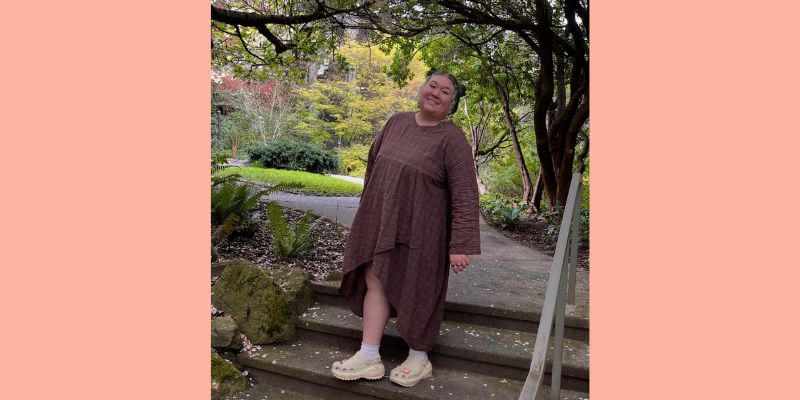
Student Spotlight: Alessandra Weiss, MPH Public Health Practice
We’re excited to introduce Alessandra Weiss, an outstanding MPH student in our fully online Public Health Practice (PHP) program, with an expected graduation date of June 2026. Alessandra’s pathway into public health began in Central Oregon, where she earned a Community Health Worker certificate and quickly moved into county and regional public health roles focused on prevention and community engagement. She comes to this work with lived experience in rural communities and brings valuable insight into how public health practice is shaped by local context.
Q: What personal or professional connections do you have to rural communities, and how have these shaped your public health career path?
After college, my family moved to Madras, Oregon. I moved back with them after graduating and took community college classes while figuring out my next steps. I earned my Community Health Worker Certificate and, in the process, I realized that public health was the right career path for me.
I was offered a position at the Crook County Health Department focused on sexual health and tobacco, alcohol, and drug education and prevention. A year later, I was promoted to a regional role working across Central Oregon on STI prevention and education. It was through this work that I began to fully understand the disparities rural communities face. Rural communities are often excluded from statewide conversations because of their smaller size, and I hope to work at the state level to advocate for communities that lack the same resources as larger cities and counties.
Q: What do you wish more people—inside or outside public health—understood about rural communities and health?
Often, rural public health work involves engaging with people and organizations that are resistant to public health concepts or programs. One of the most important things you can do in rural areas is build relationships and trust. Rural communities value personal relationships, and taking the time to understand where people are coming from can help bridge gaps and build support for public health efforts.
Rural communities deserve public health just as much as any other community. However, public health practice must be culturally responsive to the ways rural communities differ from urban ones.
Q:What kinds of learning experiences, support, or mentorship have prepared for rural public health work?
Rural mentorship was invaluable to me. My ability to thrive in this field was largely due to my relationship with a professor and mentor at Central Oregon Community College. She connected me to programs and people I never would have known about otherwise. Finding advocates like this in rural areas can be difficult, but it is essential for fostering and supporting the next generation of rural public health professionals.
As part of our Rural Public Health Practice (PHP) Initiative, we are focused on strengthening connections and fostering a sense of belonging for students, particularly those rooted in rural communities. The initiative seeks to expand access to graduate public health education in rural Oregon and ensure that our programs reflect the voices, priorities, and lived realities of rural communities. As we build pathways and strengthen practice-based learning opportunities, student voices like Alessandra’s help guide and shape this work. To learn more about the Rural PHP Initiative and how it supports rural students and communities, visit our Rural Public Health Practice Initiative Webpage.