Going Upstream: Introducing the Next Generation to Public Health Careers
What does handwashing have to do with public health? How did the polio vaccine change the course of history? And what happens when we stop pulling people out of the river and start asking why they’re falling in?
These were some of the questions young people explored this summer as the OHSU-PSU School of Public Health for the first time joined youth experience camps organized by Area Health Education Centers of Southwest Oregon (AHEC-SW).
Held in Coos Bay and Roseburg in June 2026, the camps introduced middle and high school students to a wide range of health professions. AHEC programs across Oregon have traditionally focused on clinical careers such as nursing, medicine, and emergency medical services. This year, the School of Public Health helped expand that picture to include the people and systems working to prevent illness and injury before they occur.
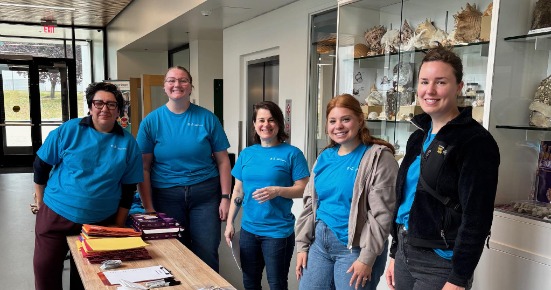
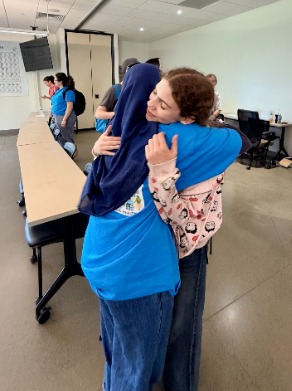
Seven SPH students and alumni served as camp counselors, working alongside four faculty members—Drs. Erin Kenzie, Becky Jungbauer, Claire Wheeler, and Alice Gates—to develop and lead hands-on activities.
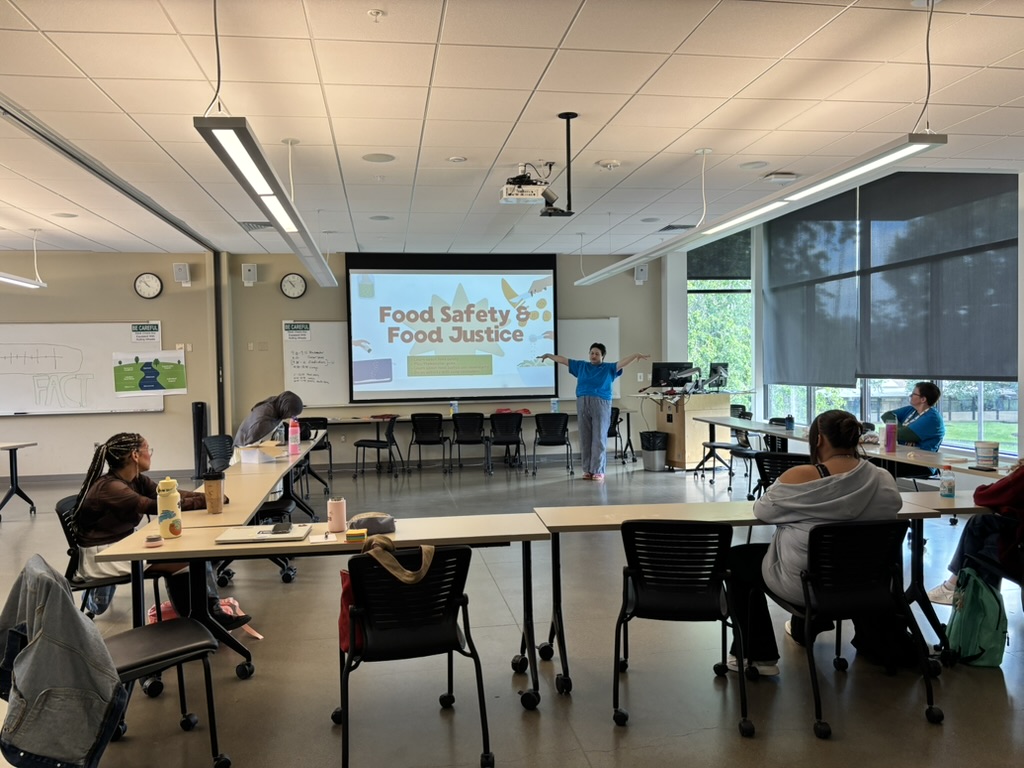
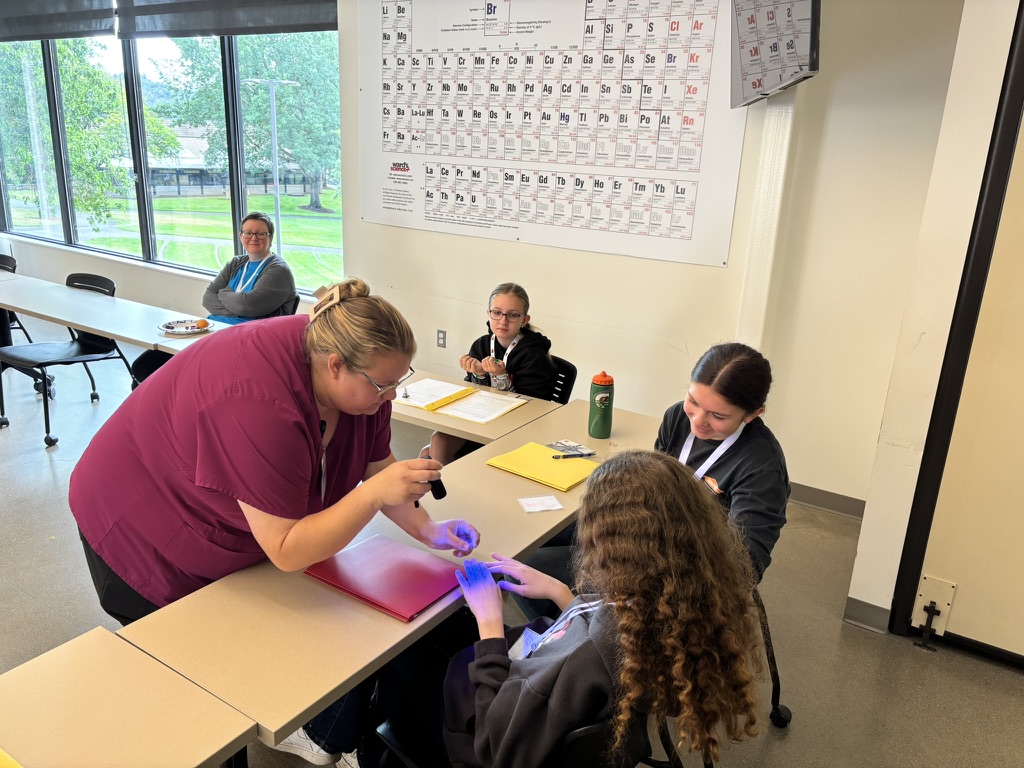
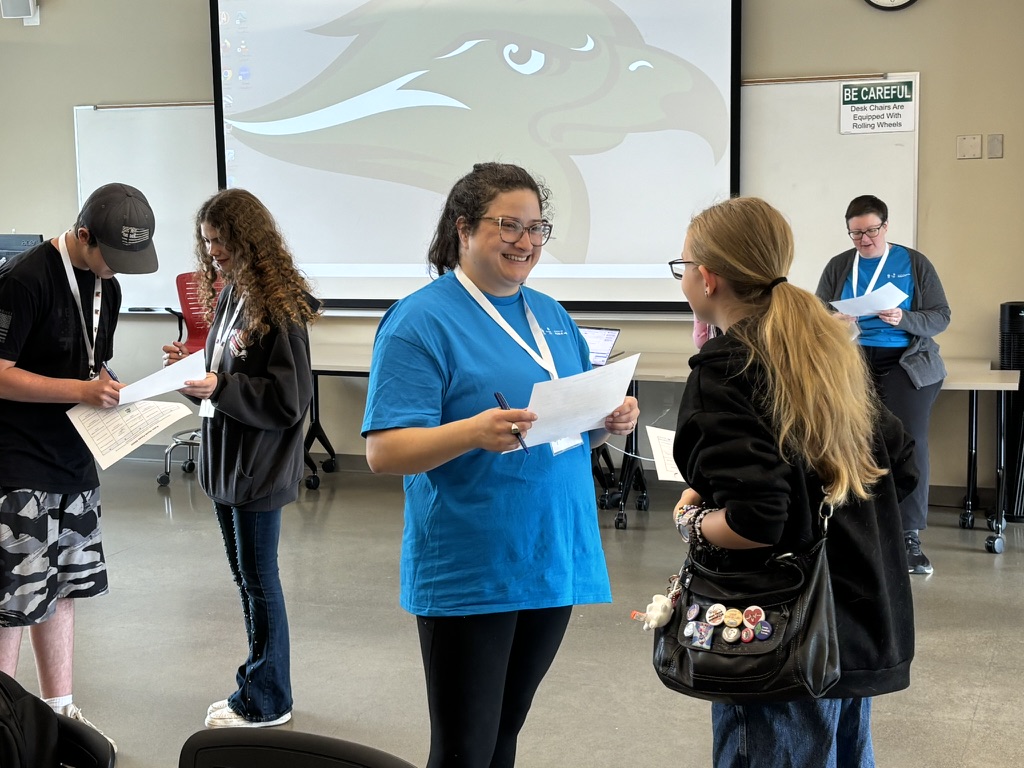
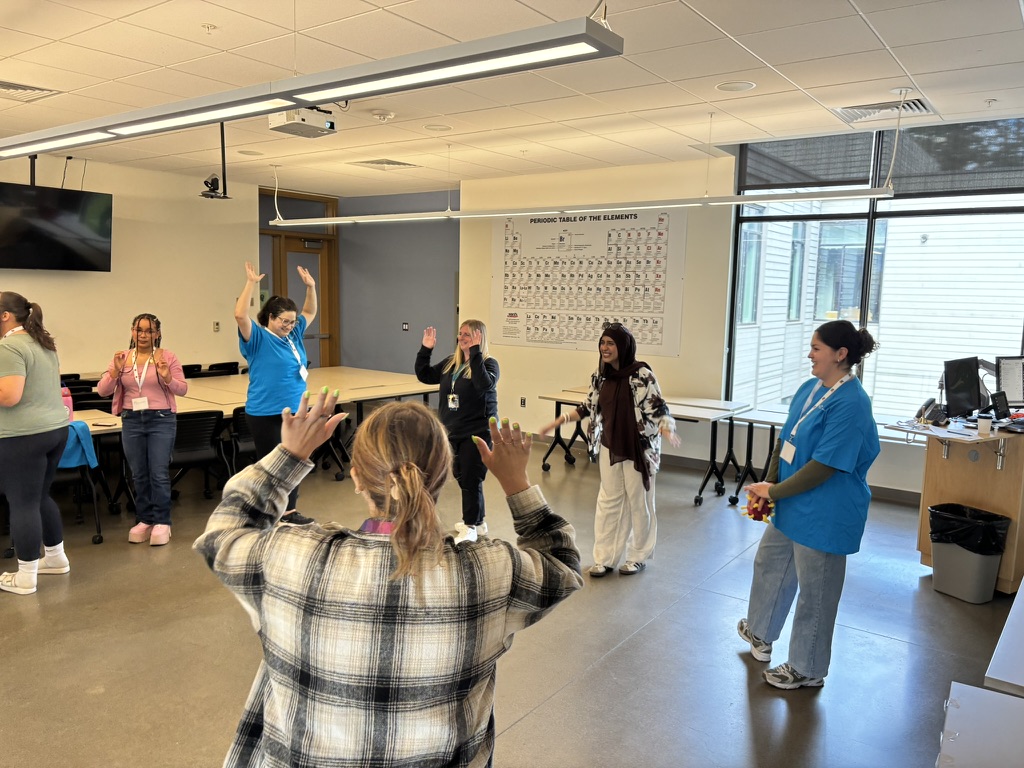
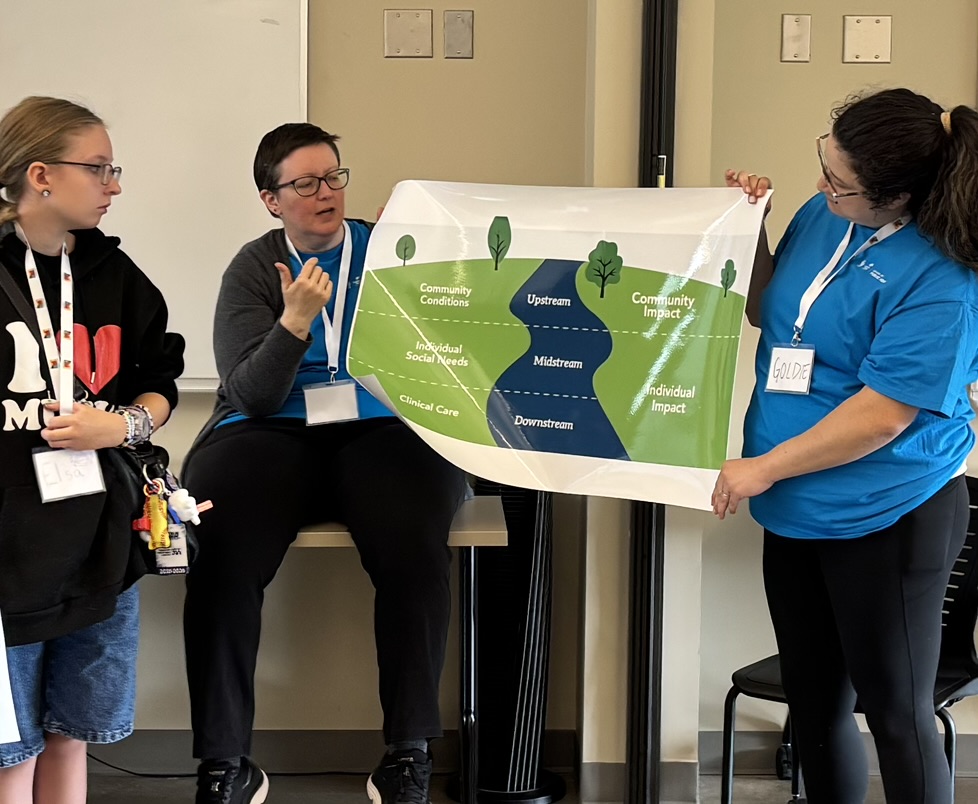
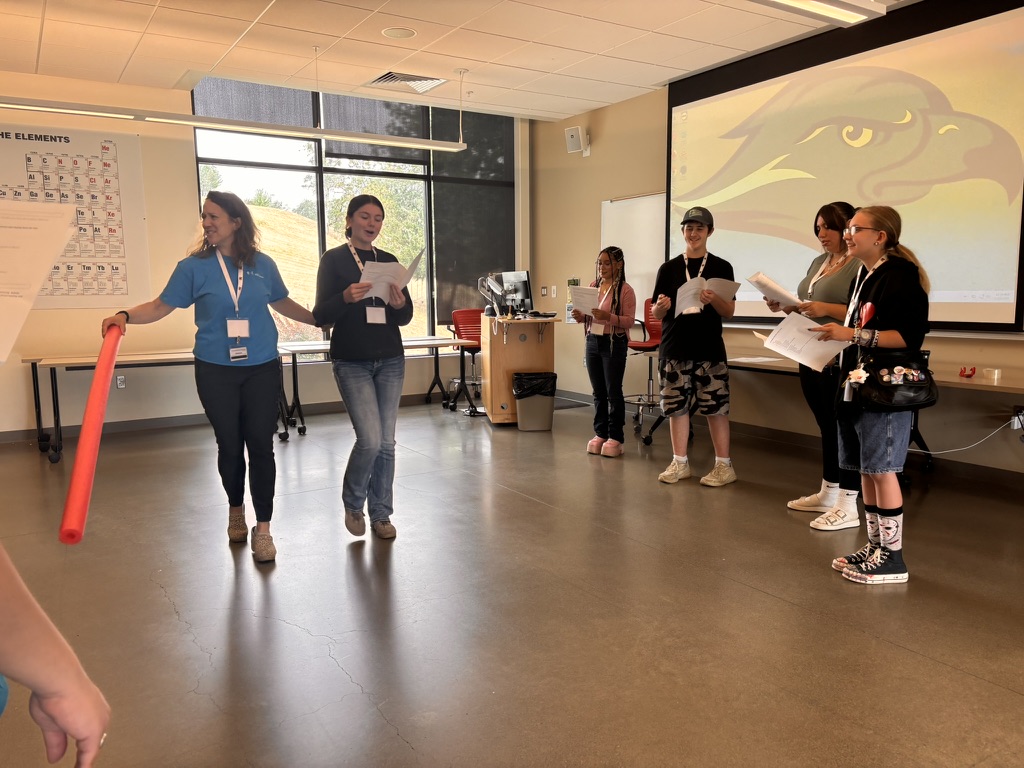
Rather than relying on lectures, the team brought public health concepts to life. Campers used Glo Germ to discover how easily germs spread and why handwashing matters. They explored the history of the polio vaccine and built working lung models using plastic bottles and balloons. In a readers’ theater activity about people falling into a river, students considered a central question in public health: Why do we spend so much time rescuing people downstream instead of finding out what’s happening upstream?
The activities introduced campers to a different way of thinking about health—one that looks beyond individual patients to the conditions that shape the health of entire communities.
Local public health professionals from Coos County, Douglas County, and the Cow Creek Band of Umpqua Tribe of Indians also led activities, giving campers opportunities to learn about the people doing this work in their own communities.
For the MPH students involved, the camps offered a learning experience of their own. They helped design curriculum, translated complex public health ideas into accessible activities, and worked alongside rural public health professionals. Several student participants shared reflections on the experience at the Oregon Rural Health Conference in Bend in October, with additional findings to be presented in a poster at the Oregon Public Health Association’s annual conference on October 21.
Building pathways that start earlier
Our contributions to these summer camps are part of a broader effort by the School of Public Health to introduce young people to public health careers long before they begin considering graduate school.
Public health is often less visible to young people than clinical health professions, even though the field encompasses careers in epidemiology, environmental health, emergency preparedness, health promotion, and many other areas.
The School is continuing this work with the Coalition of Local Health Officials (CLHO) and regional partners, including the Central Oregon Career and Technical Education (CTE) Advisory Group. Together, we are exploring ways to develop engaging public health curriculum and connect with high school health occupations teachers across Oregon.
The goal is to make public health a more visible and accessible career option, particularly for young people in rural communities—and to help them see that a career in health doesn’t always begin in a hospital or clinic.
Interested in helping develop public health learning activities for middle and high school students? The School of Public Health welcomes partners interested in joining a working group focused on early public health career pathways and curriculum development. Contact Dr. Alice Gates (gatesal@ohsu.edu) to learn more.